

Metabolic syndrome – a clustering of interconnected physiological conditions, significantly increases the risk of developing cardiovascular disease, type 2 diabetes and stroke. Insulin resistance has been identified as a key factor in the initiation and progression of the metabolic syndrome. When cells stop responding effectively to insulin, the body secretes more of it, creating a toxic cascade of hyperinsulinemia, chronic inflammation, and cellular damage.
Diagnostic Framework
The 5 Criteria for Metabolic Syndrome
Source: Dr Peter Attia – Outlive
- High blood pressure: > 130/85 mmHg
- High Triglycerides: > 150 mg/dl
- Low HDL Cholesterol: < 40 mg/dl in men or < 50 mg/dl in women
- Central adiposity: Waist circumference > 40 inches in men or > 35 inches in women
- Elevated fasting glucose: > 110 mg/dl
Clinical Warning: Having any three of these five criteria indicates presence of metabolic syndrome. Uncorrected metabolic syndrome triples the risk of heart attacks and increases cancer risk significantly.
Progression Pathway
Stages of Liver Damage
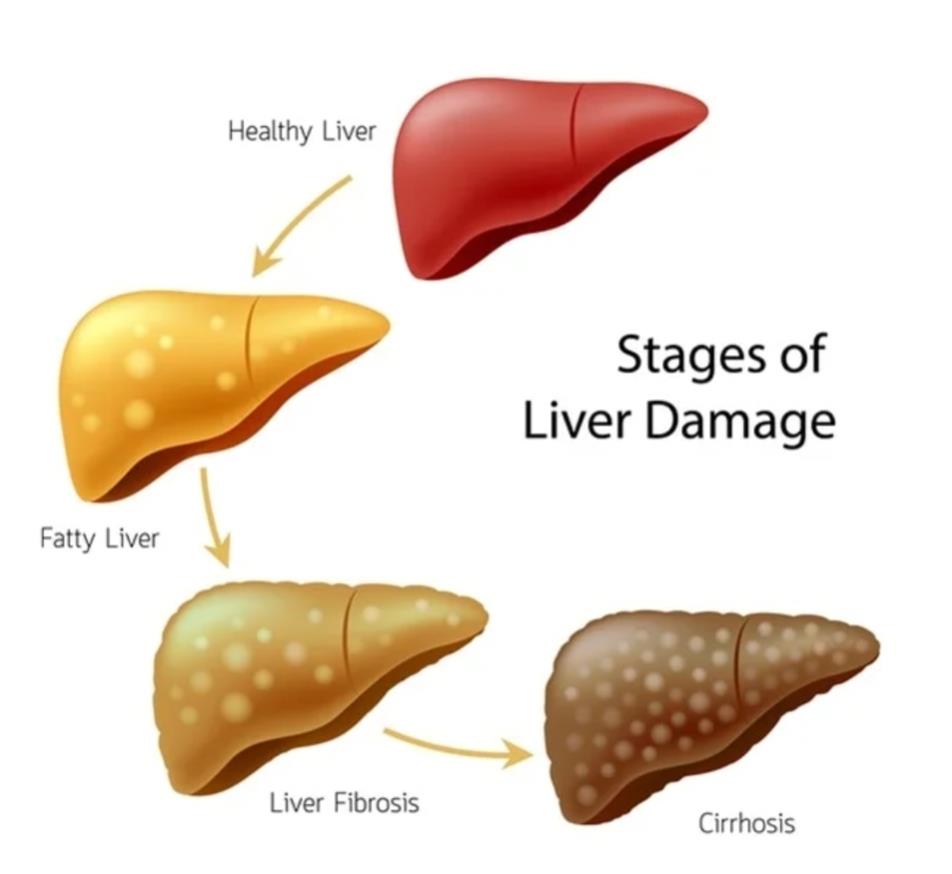
Excess visceral and ectopic fat spilling into liver tissue drives the transition from simple steatosis (Fatty Liver) to chronic inflammatory fibrosis and irreversible cirrhosis.
Critical Determinants of Metabolic Resilience
- The Danger of Visceral Fat and Ectopic Fat: Not all fat is equal. While subcutaneous fat is relatively benign, visceral fat (wrapped around internal organs) and ectopic fat (spilling into the liver, pancreas, and skeletal muscle) actively secrete inflammatory cytokines and disrupt glucose metabolism, even in individuals who appear thin on the outside (the TOFI phenotype: Thin Outside, Fat Inside).
- Continuous Glucose Monitoring (CGM) Insights: Rather than relying solely on metrics like HbA1c or fasting glucose, using CGMs to catch early glucose dysregulation and glycemic variability can identify postprandial (post-meal) blood sugar spikes and poor glucose disposal which are early warning signs of declining metabolic health.
-
Nutritional Flexibility over Dogma: Nutritional tribalism (strict keto, veganism, carnivore, etc) should be discouraged. Nutritional interventions can be categorized under three distinct levers:
- Caloric restriction: reducing total energy
- Dietary restriction: eliminating specific macronutrients like carbs or fats
- Time restriction: intermittent fasting
- The Protein Paradox: While caloric and dietary restrictions are powerful tools for weight loss and lowering insulin, the long-term dangers of under-eating protein—namely sarcopenia (muscle loss) and frailty are important considerations. A high protein intake (often 1 gram or more per pound of ideal body weight) combined with resistance training to preserve lean mass can optimize metabolic health.
“More important than what you are eating…what is eating you!”
— Anonymous